An Early Glimpse at Gemini in Cars
Google is set to transform vehicle infotainment systems by integrating its advanced Gemini AI assistant into cars equipped with Google built-in. This move represents a significant upgrade from the existing Google Assistant, as announced by the company. The update aims to deliver a more seamless user experience, particularly in handling natural language interactions, retrieving vehicle-specific data, adjusting settings, and performing other in-car tasks.
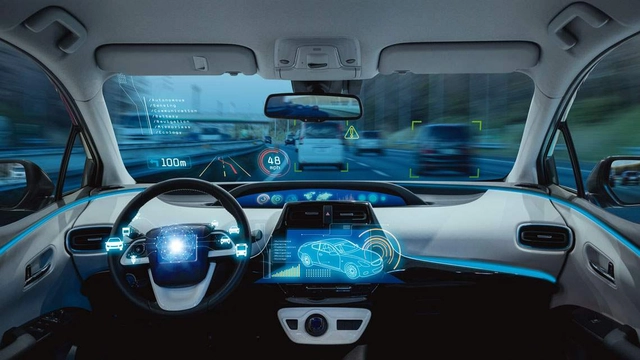
First introduced in vehicles back in 2020, Google built-in systems were promised continuous improvements over time. Now, Gemini's arrival fulfills that commitment, extending not just to upcoming models but also to current ones through over-the-air software updates. Early visuals shared by Google show the Gemini interface embedded directly into the car's dashboard display, suggesting a polished integration that could redefine how drivers interact with their vehicles' digital features.
Key Improvements and Capabilities
The shift to Gemini promises enhancements in conversational AI, making interactions feel more intuitive and context-aware. Users can expect the assistant to better understand complex queries related to the vehicle itself, such as navigation tweaks, climate control adjustments, or even diagnostics pulled from the car's systems. This goes beyond basic voice commands, aiming for a proactive and personalized driving companion.
Google emphasizes that this isn't limited to new hardware; existing compatible vehicles will receive the upgrade without needing a trip to the dealer. This approach underscores the company's strategy to keep automotive software evolving in line with its broader AI advancements, potentially setting a new standard for connected cars.
When cars with Google built-in first hit the road in 2020, we made a commitment that our car will get better over time.
Broader Implications for Drivers
As AI continues to permeate everyday vehicles, Gemini's deployment could influence how automakers prioritize software ecosystems. For drivers, it means staying current with cutting-edge features without hardware swaps, though rollout timelines and full compatibility details remain pending further announcements. This development aligns with industry trends toward smarter, more autonomous infotainment, but questions linger on privacy, data usage, and integration depth across different car brands.
For now, this early look positions Gemini as a pivotal step in Google's automotive ambitions, bridging the gap between mobile AI prowess and on-road utility. More details are expected as the update progresses.