The Terafab Partnership Takes Shape
Elon Musk's ambitious Terafab AI chip project in Austin, Texas, just secured a major boost with Intel signing on as a key partner. On Tuesday, the American chipmaker confirmed it will assist in designing and constructing the expansive facility, which is set to produce AI chips specifically for Musk's ventures. This move comes at a critical time as demand for advanced semiconductors surges amid the AI boom.
The facility will directly supply chips to SpaceX, which has recently merged with xAI, and Tesla. Musk has been vocal about his need for massive computing power to fuel projects ranging from autonomous vehicles to bipedal robots. Without reliable domestic production, these plans risk stalling due to global supply constraints.
Musk's Vision for AI and Robotics
At the heart of Terafab is Musk's drive to assemble what he describes as a robot army. This includes Tesla's Full Self-Driving technology for cars and the Optimus humanoid robots intended for factories and homes. Beyond earthly applications, SpaceX eyes data centers in orbit, leveraging its Starship capabilities to place AI infrastructure beyond terrestrial limits.
These initiatives demand teraflop-scale processing that current fabs struggle to deliver at volume. Terafab positions itself as the bridge, ramping up output to match a future where AI permeates every industry. Intel's involvement brings proven expertise in high-volume chip manufacturing, potentially accelerating timelines.
Key Implications of the Intel-Terafab Deal
- Addresses U.S. chip supply vulnerabilities amid geopolitical tensions.
- Supports SpaceX's planned IPO later this year by bolstering AI capabilities.
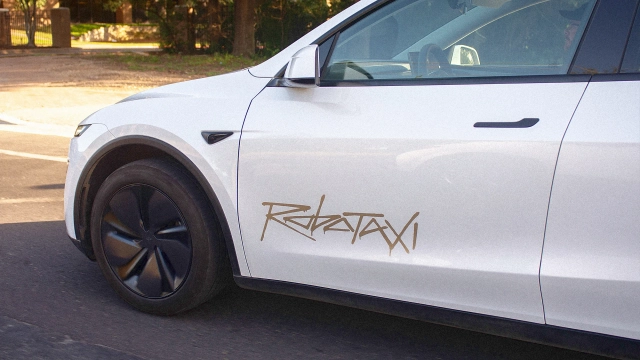
- Enables Tesla's robotaxi and Optimus rollout without foreign dependency.
- Paves way for orbital data centers, a SpaceX-xAI frontier.
- Scales production from today's limits to exascale AI demands.
- Reinforces Austin as a hub for next-gen semiconductor innovation.
Broader Industry Context
This partnership highlights the intensifying race for AI dominance. With Nvidia cornering much of the GPU market, Musk's strategy via Terafab diversifies sources while keeping production stateside. Intel, facing its own pressures, gains a foothold in Musk's ecosystem, which spans automotive, aerospace, and now AI hardware.
As SpaceX eyes public markets and Tesla pushes humanoid tech, Terafab could redefine chip economics. It closes the chasm between present capacities and tomorrow's needs—a future packed with autonomous machines and space-faring servers. For now, the project advances steadily in Austin, with Intel's muscle behind it.