Current Landscape in Autonomous Ride Services
Waymo holds a dominant position in the robotaxi sector, running more than 3,000 driverless vehicles across at least ten US cities. This scale gives the Alphabet subsidiary a substantial head start in real-world operations and regulatory approvals.
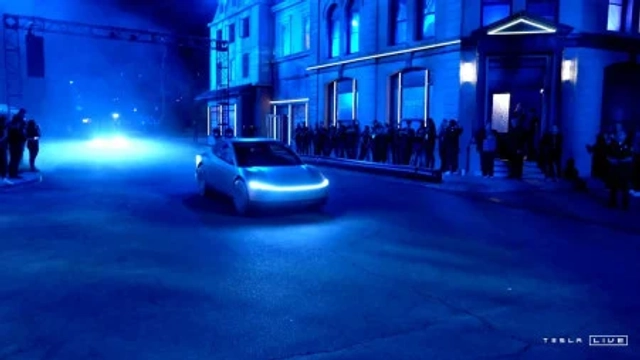
Several other firms are actively working to narrow that gap. Tesla, Zoox, Avride, and Motional have all announced plans and deployments aimed at building competitive autonomous ride-hailing networks. The race is defined by technology reliability, fleet size, and city-by-city regulatory progress rather than marketing claims.
Nuro's Strategic Pivot and New Alliances
Nuro, founded by former Google self-driving engineers, originally concentrated on delivery robots. In 2024 the company redirected resources toward passenger robotaxis and secured a multi-year agreement with Uber and Lucid. The partnership targets deployment of tens of thousands of vehicles nationwide and is expected to generate hundreds of millions of dollars in revenue for Nuro.
The arrangement supplies Nuro with vehicles from Lucid and access to Uber's rider platform, while Uber gains another potential source of autonomous capacity. Execution will depend on meeting safety benchmarks and obtaining permits in additional markets beyond initial test areas.
Implications for Market Positioning
Second place in robotaxis may carry advantages if the leader faces capacity constraints or regulatory setbacks. Nuro's approach of leveraging established partners rather than building every component internally could accelerate scaling, though it also introduces dependencies on third-party hardware and software timelines.
Success will ultimately be measured by operational metrics such as miles driven without intervention, cost per trip, and consistent service availability across varied urban environments. The coming years will show whether Nuro's revised strategy places it ahead of other challengers or simply keeps it in the middle of the pack.