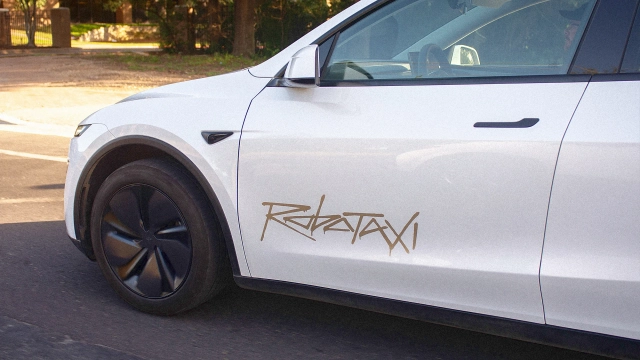
The Push for Transparency in Robotaxi Operations
Autonomous vehicle companies operating robotaxis are drawing scrutiny for their reluctance to reveal critical operational details. Specifically, they are refusing to disclose information about their remote assistance teams, including the frequency with which these workers must intervene to aid self-driving cars. This opacity comes amid growing public and regulatory interest in how truly 'driverless' these vehicles are.
Senator Ed Markey (D-MA) has taken direct action by initiating an investigation into the use of remote assistance operators (RAO). His office sent formal letters to seven prominent robotaxi companies, demanding specifics on how remote workers monitor vehicles and step in during challenging situations. The companies targeted include Aurora, May Mobility, Motional, Nuro, Tesla, Waymo, and Amazon's Zoox.
Companies Under Investigation
- Aurora: Developing autonomous trucking and ride-hailing tech.
- May Mobility: Focused on public transit shuttles with remote oversight.
- Motional: A Hyundai-IonQ joint venture pushing robotaxi services.
- Nuro: Specializing in last-mile delivery robots.
- Tesla: Expanding Full Self-Driving capabilities into robotaxis.
- Waymo: Alphabet's leader in commercial robotaxi deployments.
- Zoox: Amazon-backed firm testing fully driverless vehicles.
Why Remote Assistance Data Matters
These remote teams serve as a safety net, watching vehicle feeds in real-time and issuing commands when the onboard AI falters—such as navigating complex intersections or avoiding unexpected obstacles. Yet, without disclosure on intervention rates, it's impossible to gauge the reliability of the self-driving tech. Are these vehicles operating independently most of the time, or are humans pulling the strings far more often than advertised?
Markey's probe highlights a broader industry trend: bold claims of full autonomy paired with hidden human dependencies. For consumers and regulators, this lack of candor raises questions about safety, scalability, and the path to truly unsupervised robotaxis. The senator's office is pressing for metrics like intervention frequency per mile driven, team sizes, and response times, but so far, responses have been evasive.
As robotaxi services expand in cities like San Francisco and Phoenix, public trust hinges on such revelations. Without them, incidents involving Waymo or Cruise vehicles fuel skepticism, underscoring that the robotaxi revolution remains more promise than reality.