The Latest Milestone in Tesla's Self-Driving Journey
Tesla has notched another significant achievement in its autonomous driving efforts. The company's fleet of vehicles equipped with Full Self-Driving (Supervised) software has now accumulated over 10 billion miles on public roads. This figure comes straight from Tesla's updated safety statistics page, marking a rapid escalation from previous totals. Just months ago, the odometer was ticking past lower billions, but the pace has accelerated as more owners activate and use the feature daily.
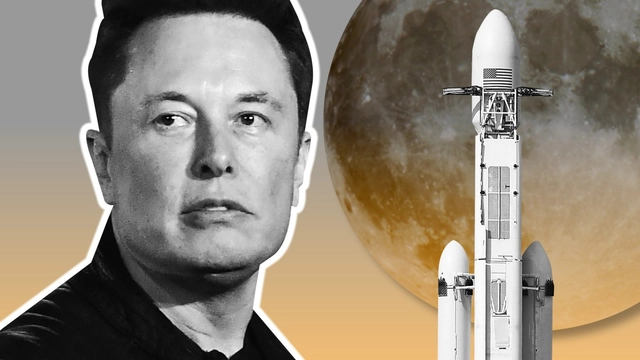
This milestone isn't just a number—it's a direct nod to goals set by Elon Musk himself. Earlier this year, in January, Musk outlined a specific threshold: 10 billion miles of supervised driving data as a key indicator that the system could transition to safe unsupervised operation. With this barrier now cleared, one might expect imminent changes. However, Tesla owners checking their vehicles this morning found no such upgrade waiting.
Musk's Ambitious Benchmark and What It Means
Elon Musk has long framed these mileage figures as critical steps toward full autonomy. He argued that vast real-world data would refine the neural networks powering FSD, eventually enabling hands-off, eyes-off driving. The 10 billion mile mark was positioned as a safety validator—proof that the system's interventions and accident rates justify unsupervised use. Tesla's safety page reinforces this narrative, contrasting FSD miles with human-driven equivalents to highlight comparative safety.
Yet crossing this line doesn't flip a switch. Musk's statements have historically built hype around timelines that stretch or shift. The January pronouncement was part of a broader push during Tesla's earnings calls and updates, where he emphasized data volume as the path to robotaxi viability. Investors and enthusiasts latched onto it, but regulators and safety experts urge caution, pointing to the gap between miles driven and true independence.
The Reality of Level 2 Autonomy Today
Despite the fanfare, Full Self-Driving remains firmly in Level 2 territory according to SAE standards. This means it's an advanced driver assistance system (ADAS), not true self-driving. Owners must keep hands on the wheel or nearby, eyes on the road, and be ready to intervene at any second. Tesla's own disclaimers hammer this home: FSD (Supervised) is beta software under constant development, with disengagements and edge cases still common.
No overnight transformation occurred post-milestone. Vehicles didn't upgrade to 'FSD (Unsupervised)' automatically. Tesla continues to roll out software versions incrementally via over-the-air updates, each promising refinements but not full release from supervision. Critics note that while billions of miles provide invaluable data for training, they don't erase the need for human vigilance in complex scenarios like construction zones, erratic pedestrians, or adverse weather.
This supervised phase underscores a broader tension in the industry. Tesla's approach relies on end-to-end AI trained on fleet data, diverging from lidar-heavy rivals. The 10 billion miles bolster confidence in that vision, but until regulatory approval and flawless performance align, drivers stay in the loop. For now, the milestone is a data triumph, not a freedom grant.