Quarterly Financials Drop Ahead of Investor Call
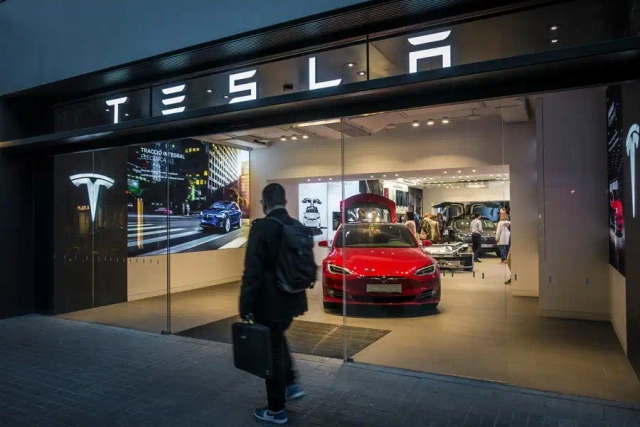
Tesla published its quarterly financials ahead of an investor call this afternoon. The electric vehicle maker has turned into a highly polarized yet immensely valuable brand, clocking in at a $1.21 trillion market cap at the time of writing. From its delivery announcement earlier in April, we already knew Q1 2026 was somewhat rosy, with sales growing by just over 6 percent compared to the same period in 2025. This translated into a more profitable quarter than last year, delivering $477 million in net income.
The company continues to navigate a landscape of mixed signals, where brand loyalty clashes with broader market challenges. Investors will be parsing these numbers closely during the call, looking for clues on future growth amid overproduction concerns highlighted in prior reports.
Revenue Breakdown Shows Automotive Strength and Energy Weakness
Revenue climbed 16 percent year over year to $22.4 billion. Automotive revenue matched that growth, reaching $16.2 billion, while services and other revenue—like Supercharger fees—surged 42 percent. However, the energy storage business contracted in Q1, with revenues dropping 12 percent to $2.4 billion. This dip stands out against the broader uptick, signaling potential headwinds in that segment.
These figures reflect Tesla's heavy reliance on its core vehicle sales, bolstered by ancillary services, but underscore vulnerabilities when diversified units falter. The energy storage decline could raise questions about deployment timelines and demand in a competitive market.
Margins Improve But Far From Peak Levels
Operating margin settled at 4.2 percent, a far cry from the double-digit figures Tesla once delivered. Still, it marks an improvement—things were twice as bad in 2025 Q1 at 2 percent. Despite higher automotive sales revenue, regulatory credits brought in only $380 million, down from $595 million the prior year. Leasing income also softened.
Operating expenses climbed, fueled by investments in AI and portions of the $1 trillion compensation package shareholders approved for CEO Elon Musk in November. These costs are eating into margins, even as top-line growth provides some buffer.
Outlook and Broader Context
Tesla remains profitable, but the path forward involves balancing aggressive spending on future tech like AI with current operational pressures. The polarized brand valuation holds firm at over a trillion dollars, yet sluggish sales growth and segment-specific declines demand attention. Full details are available in the investor update, with discussions likely to dominate the afternoon call.