Initial Impressions of a Driverless Ride
Stepping into a vehicle with no driver present can create an odd sensation at first. The knowledge that the car operates on its own does not always remove the sense of uncertainty that many people feel when the doors close and the ride begins without human input.
Design Changes in the Ojai Model
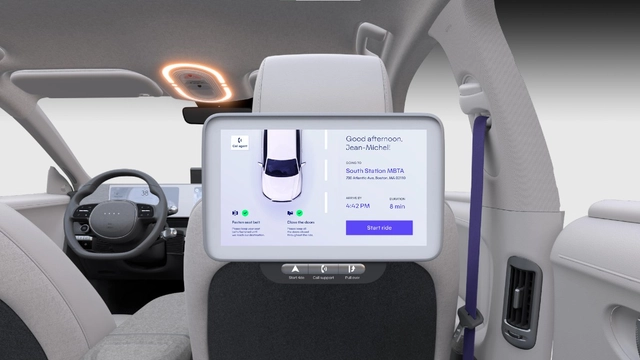
Waymo developed the Ojai to address some of those concerns by building the cabin around passenger needs rather than adapting an existing car. The interior offers more legroom, a flat floor, lower step-in height and three large adaptive screens that allow riders to adjust temperature, music and other settings. Additional charging ports and cupholders are included as standard features.
These elements aim to make the experience feel more routine once a rider is seated. The vehicle also incorporates accessibility features such as Braille labels, grab bars and screen-reader support, which may assist older passengers, people with limited mobility or anyone carrying groceries or luggage.
Rollout Timeline and Cities
Public rides in the Ojai are scheduled to start in the coming weeks in San Francisco, Los Angeles and Phoenix. The initial period will offer free trips to selected users so Waymo can collect feedback. Access is expected to widen gradually. Denver, Las Vegas and San Diego appear on the list of future markets later in the year. Interested riders can register through the Waymo app as Trusted Testers.
The Ojai will be the first vehicle to use Waymo's sixth-generation autonomous driving system. The company states that this hardware and software combination is intended to support operation in snow and other difficult weather conditions that have limited earlier deployments.
Production and Maintenance Considerations
Waymo's factory in Mesa, Arizona is preparing to produce tens of thousands of vehicles annually. The Ojai will be followed by the Hyundai IONIQ 5. Easier-to-clean surfaces, faster charging, larger batteries and a modular layout are cited as features that could reduce downtime and support a larger active fleet.
These operational details matter because robotaxi services require many vehicles to reach meaningful scale. Without reliable charging, cleaning and repair processes, expansion remains difficult regardless of how the cabin feels to riders.
Remaining Questions Around Safety and Reliability
Waymo has completed more than 20 million fully autonomous trips across more than 11 cities. At the same time, the company recently paused some freeway operations while it updates software related to construction zones and flooded roads. Surface-street service continues, yet the pause illustrates that technical challenges persist even after years of testing.
A more comfortable cabin may encourage first-time users, but the decision to ride still rests on whether people believe the vehicle can manage unpredictable traffic, weather and road conditions without a driver present. The Ojai represents one step toward addressing comfort, yet broader acceptance will depend on consistent real-world performance over time.