What Is Joint Supply?
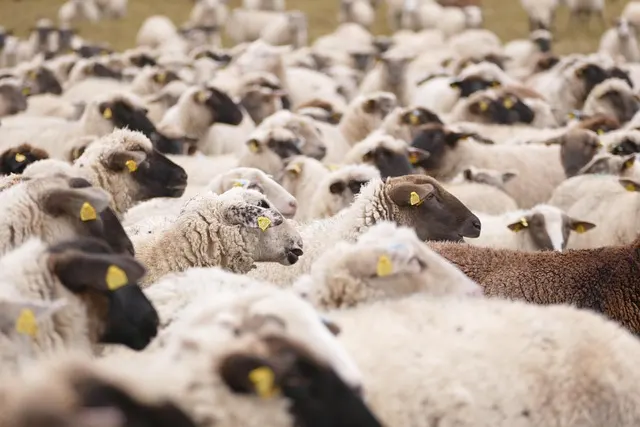
Let me explain joint supply to you directly—it's an economic concept where a single product or process can produce two or more outputs. You'll see this often in the livestock industry: cows provide milk, beef, and hide. Sheep give you meat, milk products, wool, and sheepskin. If the supply of cows goes up, so does the joint supply of dairy and beef products.
Understanding Joint Supply
Where joint supply is in play, the supply and demand for each product tie into the others from the same source. Take this example: if demand for wool rises and sheep farmers raise more animals for it, you'll get a related increase in sheep meat production. That means greater meat supply and possibly lower prices.
In some cases, the proportions of these joint products are almost fixed, like with cotton and cottonseed—you can't vary them much. In others, you can adjust the proportions. For instance, through cross-breeding, you can breed sheep more for wool or for meat, increasing one at the expense of the other to some extent. As an analyst, I keep a close eye on these joint supply products because investments in one can be heavily affected by what happens with the other.
Another key issue with joint supply products is allocating expenses. Since both come from the same source, it's tough to divide costs accurately. You can't just split expenses evenly between two products because one usually sells at a premium over the other. That would artificially deflate or inflate profits on one side. Random allocation gives artificial results too. On the business end, we often use pricing matrices that work backwards from the end products to set costing for reporting.
Joint Supply vs. Joint Demand
Don't confuse joint supply with joint demand—they're not necessarily related. Joint demand happens when demand for two goods is interdependent. Think about printers needing ink to work, or ink cartridges being useless without a printer. Other examples include razors and razor blades, or gasoline and motor oil.
Essentially, joint demand means you need two goods together to get the benefit for the consumer. If two goods are in joint demand, they have a high and negative cross elasticity of demand. For example, if the price of ink drops, that might increase demand for printers.
Key Takeaways
- Joint supply is when a product or process can yield two or more outputs.
- Cattle is an example of joint supply where cows supply multiple outputs such as milk, beef, and hide.
- Joint supply isn't necessarily related to joint demand.
- Joint demand is when you need two goods because they work together to provide a benefit, such as razors and razor blades.