The Launch and Initial Success
Blue Origin's New Glenn rocket lifted off successfully from Cape Canaveral, Florida, on Sunday, marking a significant moment for the Jeff Bezos-owned company. The reusable first-stage booster performed flawlessly, returning to its landing pad without any reported issues. This achievement highlighted the progress in reusable rocket technology, a cornerstone of modern spaceflight ambitions. However, the mission's upper stage encountered problems that overshadowed the initial triumph.
The Critical Upper Stage Mishap
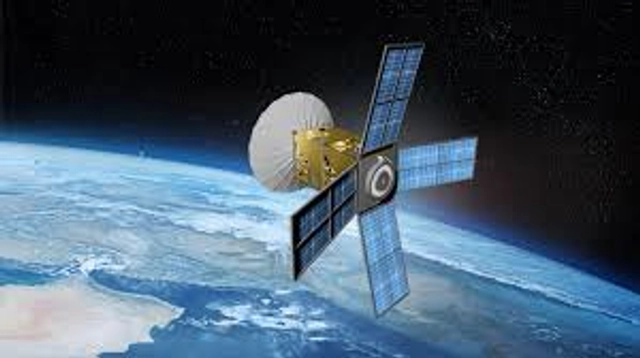
During the second-stage flight sequence, the rocket failed to deliver its payload—AST SpaceMobile's satellite—to the intended orbit. Instead, the satellite ended up in an incorrect trajectory, prompting immediate regulatory scrutiny. This mishap occurred after the booster separation, underscoring the complexities involved in multi-stage orbital insertions. Reports from the Orlando Sentinel first broke the story, detailing how the anomaly compromised the mission's primary objective.
The FAA is aware that Blue Origin New Glenn 3 experienced a mishap during the second-stage flight sequence following a successful launch.
FAA's Response and Grounding Order
In response to the incident, the Federal Aviation Administration swiftly grounded the New Glenn rocket. The FAA's statement, obtained by the Orlando Sentinel, confirmed their awareness of the mishap and initiated a formal investigation. This grounding halts further launches until Blue Origin addresses the root cause and satisfies regulatory requirements. Such measures are standard in the industry to ensure public safety and mission reliability, especially with commercial payloads involved.
Implications for Blue Origin and the Space Industry
This setback comes at a pivotal time for Blue Origin, as New Glenn aims to compete with established players like SpaceX in the heavy-lift market. While the booster's successful recovery is a positive note, the upper stage failure raises questions about the rocket's readiness for operational missions. AST SpaceMobile, the payload customer, now faces delays in its satellite constellation deployment, potentially impacting broadband connectivity plans from space. For more details, the full story is available at The Verge. The incident serves as a reminder that even with reusable tech advancements, spaceflight remains unforgiving.