Upcoming Missions to the Moon's South Pole
Later this year, two spacecraft are scheduled for launch on missions to land somewhere near the rim of Shackleton Crater, an impact basin near the Moon's south pole that harbors an immense reservoir of water ice. These landers represent some of the most ambitious robotic efforts ever directed at the lunar surface. The stakes are high, as access to this water ice could prove pivotal for future lunar bases and sustained human presence on the Moon.
The competition pits Jeff Bezos' space company, Blue Origin, against China's space program in a direct push toward this strategically vital location. Both missions aim to demonstrate landing capabilities in one of the harshest environments on the Moon, where permanent shadows preserve the ice deposits.
Blue Origin's Endurance Lander
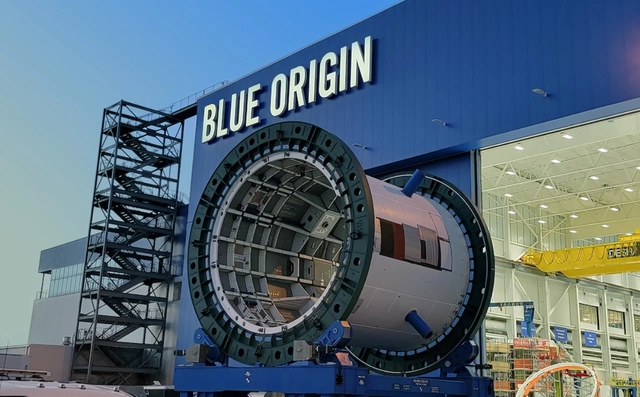
Blue Origin's Endurance spacecraft will become the largest lunar lander in history, surpassing even NASA's Apollo lunar module that carried crews to the surface over 50 years ago. Built under a NASA contract, this behemoth is designed to deliver substantial payloads to the lunar surface, paving the way for more complex operations.
Recently, the Endurance lander departed NASA's Johnson Space Center in Houston on Saturday for a barge trip back to Cape Canaveral, Florida. There, it will undergo final preparations ahead of launch on Blue Origin's heavy-lift New Glenn rocket. Prior to shipment, it completed comprehensive testing in Houston to verify its ability to withstand the extreme temperatures of the airless lunar surface.
China's Chang'e 7 Mission
China's Chang'e 7 mission features a smaller lander but incorporates a more diverse suite of vehicles: an orbiter, rover, and a hopper drone specifically tasked with scouting for hidden ice deposits. This multi-faceted approach underscores China's strategy to thoroughly map and assess resources at the south pole.
Just two days before Endurance's departure, Chang'e 7 components arrived at a spaceport on Hainan Island in the South China Sea. Integration with China's Long March 5 heavy-lift rocket is now underway, signaling that both missions are entering their final phases with launches potentially occurring around the same timeframe.
The Race and Its Implications
This dual push to Shackleton Crater highlights the intensifying global competition in lunar exploration. While Blue Origin's lander emphasizes size and payload capacity, China's mission bets on versatility and multi-vehicle coordination. Success for either could claim a first-mover advantage in exploiting lunar water resources, essential for fuel, air, and drinking water.
Observers are watching closely to see which effort reaches the crater rim first, but both stand to advance scientific understanding regardless. The outcomes will inform NASA's Artemis program and broader international efforts to establish a permanent lunar foothold.