The Trial Kicks Off Amid High Stakes
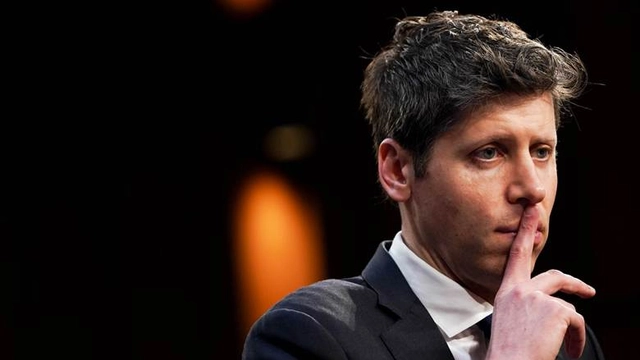
A closely watched trial gets underway this week as Elon Musk seeks to demonstrate that OpenAI, led by Sam Altman, has deviated from its foundational pledge to operate as a nonprofit dedicated to advancing artificial intelligence for the good of humanity rather than the enrichment of a select few billionaires. This legal battle draws intense scrutiny not just for the personal clash involved but for its potential to alter the trajectory of one of the leading AI organizations.
Musk, who co-founded OpenAI and provided substantial early funding and guidance before departing in 2018, frames the lawsuit as a defense of the organization's original ideals. OpenAI was established with a clear nonprofit structure to prioritize safe, broadly beneficial AI development, but Musk contends that recent moves toward commercialization undermine that vision.
Personal Rivalries and Deeper Distrust
Observers often reduce the dispute to a grudge between Musk and Altman, the current CEO of OpenAI, who has faced internal skepticism regarding his alignment with the company's mission. Reports indicate growing unease among insiders about Altman's leadership, though he remains at the helm. Yet the case extends beyond egos; it probes whether OpenAI can reconcile its nonprofit roots with aggressive expansion and profit-driven initiatives.
Musk's exit from OpenAI stemmed from disagreements over the direction, particularly as the firm began exploring for-profit structures to finance its ambitious research. The lawsuit asserts breach of founding agreements, demanding OpenAI revert to its nonprofit status and potentially remove key figures like Altman and president Greg Brockman from their roles.
Key Potential Consequences of a Musk Victory
- OpenAI's plans for a for-profit subsidiary to support the nonprofit parent would likely be blocked, limiting funding for AI development.
- Altman could lose his board seat and officer position, alongside Brockman facing removal.
- The ruling might force OpenAI to restructure, redistributing resources and technology in line with original nonprofit principles.
- Broader AI industry could see shifts in how organizations balance mission with commercialization.
Implications for the AI Landscape
Regardless of the verdict, the trial underscores tensions in AI governance between open access, safety, and commercial viability. A win for Musk could constrain OpenAI's resources at a time when competition from firms like xAI, Musk's own venture, intensifies. Conversely, if OpenAI prevails, it solidifies its hybrid model, potentially accelerating advancements but raising questions about mission drift.
The outcome will influence not only OpenAI's operations but also regulatory and investor perspectives on AI nonprofits transitioning to profit-oriented entities. As the trial unfolds, it serves as a pivotal moment for defining the ethical and structural boundaries of artificial intelligence pursuit.