Announcements at the Build Conference
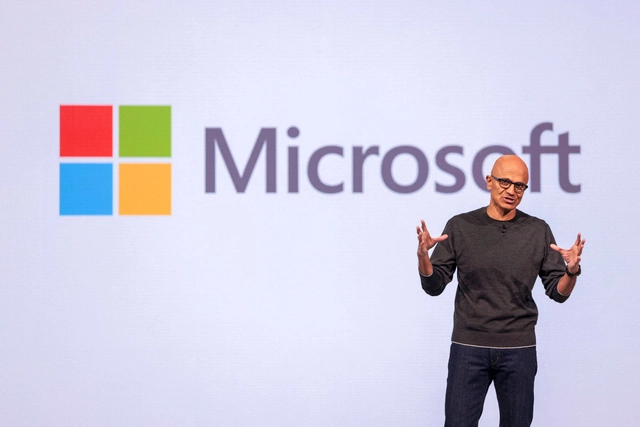
At its annual Build conference, Microsoft presented multiple new or expanded AI projects. These included a super app platform, proprietary reasoning models developed internally, a dedicated cybersecurity application, and autonomous AI agents modeled after earlier OpenAI concepts. The collection of releases conveyed a consistent point: Microsoft intends to operate as a leading force in artificial intelligence and is now behaving accordingly.
The company has spent years anchoring much of its AI work to an early and exclusive arrangement with OpenAI. That arrangement produced widely used products but also created operational friction and shifting priorities between the two organizations.
Changing Dynamics with OpenAI
Over time the partnership grew strained. What began as a close collaboration gradually became less defined, and by late April the two entities had effectively distanced themselves from joint development efforts. Microsoft remains OpenAI's primary cloud provider at present, yet the depth of technical cooperation has clearly diminished.
The Build announcements therefore served a dual purpose. They demonstrated concrete progress on Microsoft's own models and applications while also illustrating that the company no longer needs to route every major AI advance through its former partner. Observers noted that several of the new capabilities address areas previously handled under the OpenAI umbrella.
Implications for the Broader AI Landscape
The shift carries consequences for enterprise customers and developers who have followed the Microsoft-OpenAI relationship closely. With Microsoft releasing more independent tooling, organizations gain additional options that do not require direct OpenAI licensing. At the same time, the continued cloud arrangement means OpenAI's infrastructure needs are still met through Microsoft data centers, preserving a baseline commercial link.
Industry analysts view the current arrangement as transitional rather than final. Both companies continue to invest heavily in model development, and future adjustments to their working relationship remain possible. For now, Microsoft's public messaging emphasizes self-sufficiency and breadth of offering over any single external alliance.