Reviving the Self-Driving Dream
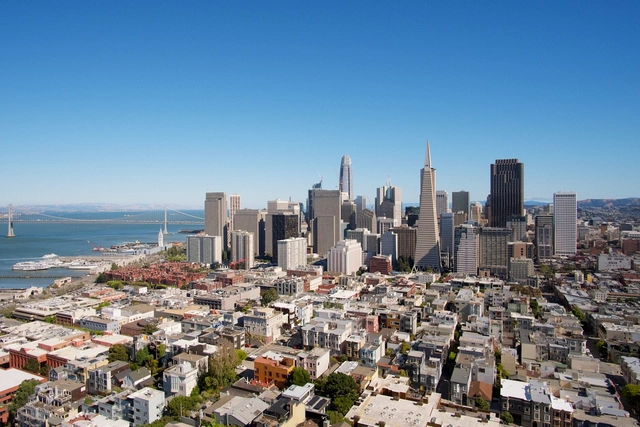
These days, AI and robotics dominate the conversation, but rewind nearly a decade, and self-driving cars were the undisputed tech darlings. At CES events through the late 2010s, robotaxis were everywhere—sensor-laden prototypes swarmed the show floor, promising a driverless revolution. Post-COVID, the startup landscape thinned out considerably, yet the core technology sharpened up. Head to key urban hubs like San Francisco or Austin, Texas, and you'll spot these autonomous machines weaving through traffic, no longer just demos but operational fixtures.
The shift marks a pragmatic turn: fewer players, but more reliable systems. What was once a crowded field of ambitious newcomers has consolidated into a handful of serious contenders pushing real-world applications.
Zoox's Distinctive Pod Design
Zoox's pod-shaped robotaxis cut a unique silhouette amid the urban sprawl. While many competitors bolt sensors and compute hardware onto existing models like the Hyundai Ioniq 5, Zoox took a bolder path. Acquired by Amazon in 2020 for $1.2 billion, the company initially tested with retrofitted fleets but now rolls out ride-hailing services in Las Vegas and San Francisco using vehicles engineered from the ground up for autonomy.
These aren't repurposed cars; they're sci-fi-esque capsules that prioritize the demands of unmanned operation. Bidirectional by design, they lack a traditional front or rear, optimizing space and safety for passengers in a world without a human driver.
Redefining Vehicle Requirements
A robotaxi isn't a car in the conventional sense—it's not built for human control, even if it shares the roads with driven vehicles. The engineering challenges diverge sharply, demanding innovations in sensors, structure, and passenger experience. Chris Stoffel, Zoox's director of robot industrial design and studio engineering, puts it plainly: the vehicle must navigate human-driven chaos while operating on its own terms.
This philosophy starts with sensors—lidar, radar, cameras—placed for 360-degree awareness, then shapes everything else around them. The result is a fleet that's not just autonomous but optimized for scalability and safety in dense city environments.
A robotaxi is not a car; it's not a human-driven vehicle, and the requirements are wildly different, although it has to live in that world.