From Research Challenges to Commercial Service
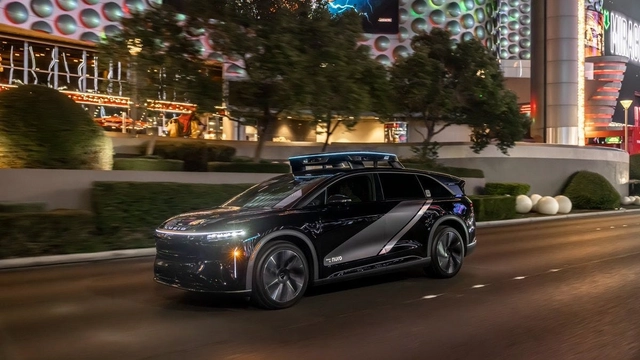
The shift from experimental projects to operating robotaxis occurred over roughly a decade. Early DARPA Grand Challenges laid groundwork for companies to develop functional systems that now run in limited American markets. Waymo launched its paid service in California initially requiring a safety driver, marking a concrete step beyond testing phases.
Safety Performance and Remaining Concerns
Advocates have long stated that autonomous vehicles would reduce collisions compared with human drivers. Waymo's reported figures from millions of miles indicate lower crash involvement and reduced insurance claims relative to average drivers. At the same time documented incidents involving school buses and operations during flooded conditions demonstrate that current systems still encounter edge cases where intervention or errors occur.
Impact on Traffic Congestion
One repeated assertion is that autonomous vehicles will ease urban traffic through smoother coordination and fewer incidents. California regulatory filings from Waymo, however, show vehicle miles traveled and empty repositioning patterns that align closely with those of conventional ride-hailing fleets. The data does not indicate measurable congestion relief beyond what Uber and Lyft already produce in the same regions.