The Sudden Robotaxi Breakdown in Wuhan
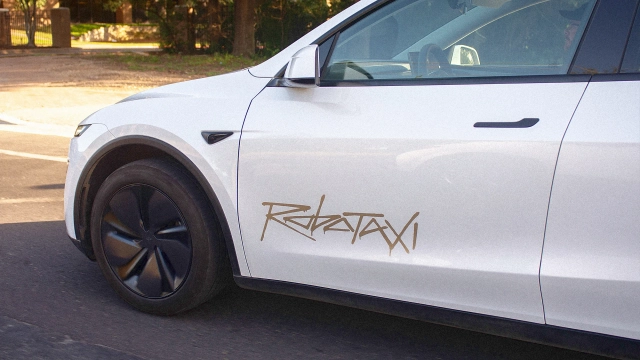
A fleet of Baidu Apollo robotaxis came to an unexpected standstill across Wuhan, China, on Tuesday, leaving passengers confined inside vehicles and contributing to highway pileups and street blockages. Reports emerged of dozens of these autonomous vehicles operated by the Chinese tech powerhouse simply freezing in place, unable to proceed despite operational commands. This incident, captured in images from Bloomberg via Getty, underscores the vulnerabilities still present in scaling robotaxi services in dense urban environments.
Eyewitness accounts and social media posts detailed the chaos, with some riders stuck for extended periods while others watched traffic snarl around immobilized cabs. The malfunction affected multiple units simultaneously, turning what should have been routine rides into prolonged ordeals on busy roads.
Police Confirmation and Initial Findings
Local authorities in Wuhan acknowledged the disruptions, confirming receipt of numerous complaints about Baidu's Apollo Go robotaxis stopping mid-street without warning. Officers noted that the vehicles remained stationary, prompting manual interventions in some cases to clear paths and assist trapped individuals.
Investigators have preliminarily attributed the episode to an unspecified system failure within the robotaxi network, though full details remain under review. Importantly, no injuries have been documented, but the event has sparked questions about redundancy measures in Baidu's autonomous driving software.
Key Impacts of the Outage
- Passengers trapped inside robotaxis for extended durations on highways and streets.
- At least one reported accident amid the resulting traffic congestion.
- Widespread street blockages requiring police and manual responses.
- Disruption to Baidu's Apollo Go service in a major operational hub like Wuhan.
- Heightened scrutiny on system reliability for commercial robotaxi deployments.
Broader Context for Baidu's Robotaxi Operations
Baidu has been aggressively expanding its Apollo Go robotaxi service across Chinese cities, positioning itself as a leader in the domestic autonomous vehicle race. This Wuhan episode, however, highlights potential risks in real-world deployment, where software glitches can cascade into public safety concerns. While the company has not yet issued a detailed statement, the incident serves as a reminder that even advanced AI-driven fleets are not immune to operational hiccups.
For now, the focus remains on resolving the root cause and restoring normalcy, but it prompts ongoing discussions about regulatory oversight and backup protocols in the fast-evolving robotaxi landscape.