What Is Foreign Exchange Risk?
Let me explain foreign exchange risk directly: it's the potential losses you or your business might face in international dealings because of changes in currency values. If you're conducting transactions across borders, shifts in exchange rates can alter the real costs of goods, services, or investments. This applies whether you're importing products, exporting to foreign customers, planning overseas expansions, or investing in foreign companies—purely due to those rate changes.
Understanding Foreign Exchange Risk
You encounter foreign exchange risk whenever your company handles transactions in a currency different from your home base. Any strengthening or weakening of your base currency against the other will impact the cash flows from that deal. As an investor trading internationally, or a business importing or exporting, you're exposed here. Your trade profits or losses get converted back to your base currency, and rate swings can reduce what you end up with. For import/export operations, payables and receivables fluctuate with rates, and if a contract locks in prices and dates, a currency shift between signing and delivery means one side loses out.
Types of Foreign Exchange Risk
There are three key types you need to know. Transaction risk hits when you're buying from abroad and the seller's currency strengthens against yours, forcing you to pay more in your own money. Translation risk comes into play if you own a foreign subsidiary; translating their financials back to your currency can show losses from rate changes. Economic risk, or forecast risk, affects your company's overall market value through ongoing currency exposure that's hard to avoid.
Hedging Against Foreign Exchange Risk
If your company faces this risk, you can use hedging to protect yourself. Strategies like forward contracts, options, and other financial tools can lock in rates and shield against unfavorable moves if implemented correctly.
Foreign Exchange Risk Example
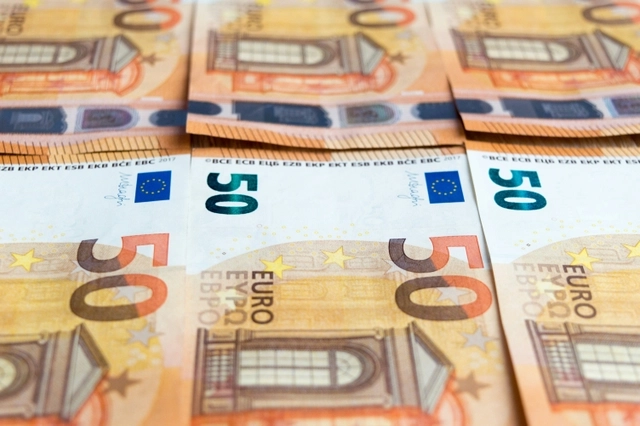
Consider this scenario: An American liquor company contracts to buy 100 cases of wine from France at €50 each, totaling €5,000, with payment on delivery. At signing, €1 equals $1, so they expect to pay $5,000. But months later, when delivery happens, the dollar weakens to €1 = $1.10. Now, that €5,000 costs them $5,500—a clear loss from the exchange rate shift.
Frequently Asked Questions
You might wonder how to avoid this as an investor. You can't eliminate it entirely if you're going international, but hedged ETFs for foreign stocks and bonds can minimize it, or stick to U.S. companies expanding abroad—they handle the risk. For sellers abroad, quoting in U.S. dollars shifts the risk to buyers, though it might lose you customers; alternatively, forward contracts lock in future rates—talk to a banker for details. The types are transaction (contract-to-delivery shifts), translation (subsidiary reporting), and economic (ongoing market value impacts).
The Bottom Line
Foreign exchange risk is unavoidable in global business or investing, but companies hedge with forwards, and you as an investor can use hedged ETFs to keep it in check.