Details of the Public Offering
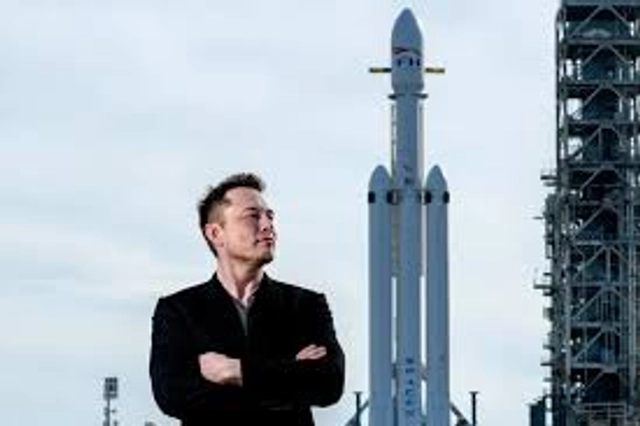
SpaceX is now a publicly traded company. In one of the most highly anticipated and controversial public offerings of all time, the rocket venture helmed by Elon Musk started trading on Nasdaq on June 12th at the take-it-or-leave-it price of $135-per-share - though most retail investors will likely pay far more.
The IPO is historic for many reasons. SpaceX is hoping to raise $75 billion under the ticker symbol SPCX, which would make it the largest public offering in history. The company is controlled by Musk, who also runs Tesla, another trillion-dollar company.
Implications for Ownership and Control
The IPO is expected to make Musk, who is set to control 85 percent of the voting power, maintain dominant influence over the company's direction. This structure keeps decision-making concentrated despite the influx of public capital and new shareholders entering the picture.
Observers note that the offering comes with standard market risks and uncertainties typical of large-scale listings. Pricing at $135 reflects a firm stance by the company on valuation, leaving limited room for immediate negotiation by incoming investors.
Market Context and Investor Considerations
The move places SpaceX alongside other major technology and industrial firms on public markets. Trading activity on the first day and beyond will depend on broader economic conditions and sector-specific developments in aerospace and related fields.
Retail participation may face higher effective costs due to standard brokerage practices and initial demand patterns. Institutional investors are positioned to handle larger blocks at the stated opening price, creating a distinction in access that often appears in sizable IPOs.