Long-Term Market Performance
Over the past thirty years the S&P 500 has delivered a cumulative return of 1,770 percent as of early June. An initial investment of ten thousand dollars placed in the index in June 1996 would have grown to approximately one hundred eighty-seven thousand dollars by the present day. Performance over the most recent decade has been even stronger, underscoring the capacity of broad equity markets to compound wealth across extended periods.
Such results illustrate why many observers regard equities as one of the more effective asset classes for long-term capital appreciation. The gains have not been linear, yet the overall trajectory supports the case for maintaining exposure to the market rather than avoiding it entirely.
Buffett's Straightforward Recommendation
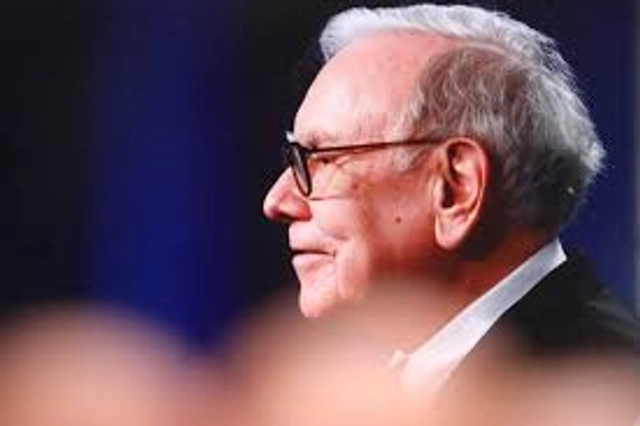
Warren Buffett has consistently suggested that ordinary investors purchase low-cost S&P 500 index funds. His own record of capital allocation at Berkshire Hathaway produced nearly twenty percent annualized growth in share price over six decades, yet he maintains that most individuals lack the time or expertise to replicate professional stock selection successfully.
This stance arises from extensive data showing that the majority of large-cap active managers underperform the S&P 500 over rolling ten-year periods. High turnover, elevated fees, and occasional misjudgments contribute to the shortfall, leaving many clients with results inferior to those of a simple index product.
Practical Implementation Through an ETF
One accessible vehicle is the Vanguard S&P 500 ETF, which carries an expense ratio of 0.03 percent. Over multi-year horizons the cumulative fee differential versus typical active funds can be substantial, preserving more capital for compounding within the investor's account.
The fund holds the full roster of S&P 500 constituents, with the largest positions currently concentrated in leading technology companies. While information-technology exposure is significant, the index also spans every other major economic sector, delivering diversified participation without the need for ongoing rebalancing decisions by the individual.
Addressing Valuation Concerns
Current index valuations sit above historical averages, prompting questions about forward returns. Even if the exceptional trailing ten-year gain of 316 percent does not recur, the underlying companies continue to generate solid earnings growth and wide profit margins. For investors uneasy about entry prices, a dollar-cost-averaging schedule can mitigate timing risk by deploying fixed amounts at regular intervals.
An example starting with ten thousand dollars and adding one hundred dollars each month, assuming a 10 percent annualized return, would accumulate roughly three hundred eighty-two thousand dollars after thirty years. Larger or smaller monthly contributions simply scale the final amount accordingly.