Musk's Opening Testimony Sets the Stage
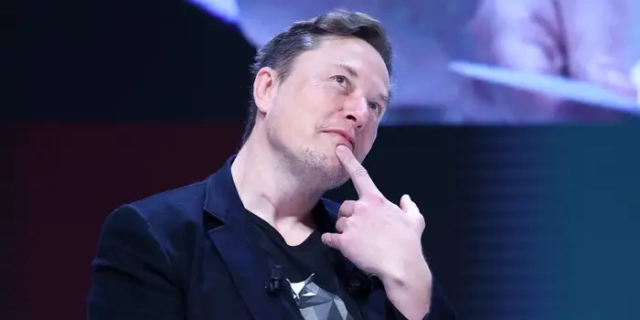
On the stand in the high-profile trial pitting Elon Musk against his former OpenAI collaborator and current CEO Sam Altman, Musk wasted no time in framing himself as a savior figure. He launched into an extensive recounting of his life journey, starting from his upbringing in South Africa. Musk described arriving in Canada for college armed with just 2,500 Canadian travelers' checks, a bag of clothes, and some books. This humble beginning served as the foundation for a narrative designed to humanize him before the jury.
The testimony stretched on unusually long, covering key milestones in his entrepreneurial career. From the early days of Zip2, which he co-founded and sold for a substantial sum, to the creation and sale of PayPal, Musk painted a picture of relentless innovation and risk-taking. He then transitioned to his current empire, including Tesla, SpaceX, Neuralink, and xAI, emphasizing how these ventures stem from a lifelong commitment to advancing humanity.
Why the Deep Dive into Origins?
The question lingers: why is Musk devoting so much time to his origin story in a trial centered on allegations against OpenAI's shift from nonprofit to for-profit? Despite being, on certain days, the world's wealthiest individual, Musk appears intent on connecting with the jury on a personal level. By sharing these details, he positions himself not just as a billionaire mogul, but as someone who bootstrapped his way from modest means to global impact.
This approach underscores a calculated strategy. In a case involving complex AI ethics, mission drift, and competing visions for artificial intelligence's future, Musk's testimony humanizes the stakes. It contrasts his trajectory with Altman's leadership at OpenAI, implying a divergence in purpose that justifies his legal action. Observers note that such personal anecdotes can sway juries, making abstract corporate disputes feel tangible and relatable.
Implications for the Trial Ahead
As the trial unfolds, Musk's self-presentation as a savior carries weight. His narrative suggests a man driven by broader societal good rather than mere profit, a theme central to his criticism of OpenAI. Whether this resonates with the jury remains to be seen, but it establishes a baseline for evaluating the merits of his claims. The proceedings highlight ongoing tensions in the AI world, where founders clash over original ideals versus commercial realities.
Musk's extended testimony also reveals his command of the courtroom, using the stand not just for defense but for storytelling. This could influence perceptions of credibility and motivation, key factors in a case with billions potentially at stake. As both sides present their arguments, Musk's origin tale stands as a bold opening gambit.